fbpx

A CITRUS SEASON UNDER THE SIGN OF SUSTAINABILITY

 
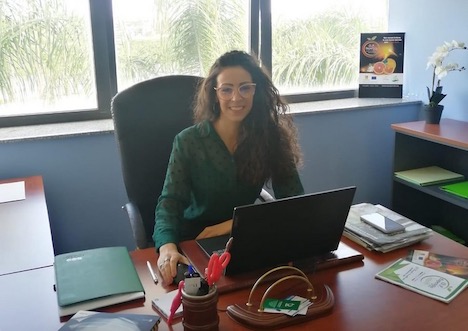
“A few weeks ago, we began marketing blonde-fleshed oranges, in line with the 2019 season, which was characterized by extraordinary demand and prices. Starting December 8, we will get into the heart of a citrus season that promises larger volumes and medium-sized fruits. There is a lot of demand for the product, as can already be seen from the bookings made well in advance by new foreign customers. In fact, northern Europe is our reference market, with 70% of our turnover.” So Lino Catena (pictured), president of OP Esperidio, told FreshPlaza.
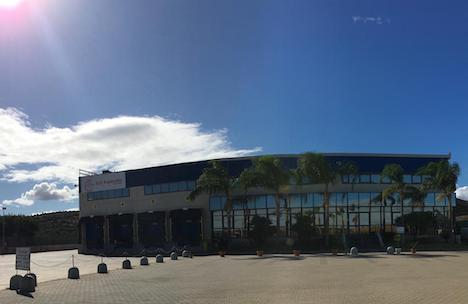
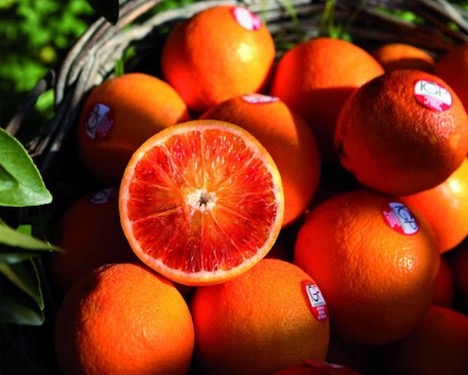
OP Esperidio is a Sicilian cooperative well known in the sector of citrus production and distribution on the domestic and foreign markets. Born from the union of 70 operators in the sector, it was founded in 2015, but had already been operating in another corporate form since the 1970s. About 1,100 hectares are devoted to the best citrus production, between early and late varieties. The company's location is strategic, as it is situated at the foot of Mount Etna, in the area where the production of red-fleshed oranges has developed: Tarocco, Moro and Sanguinello, recognized and certified with the PGI (Protected Geographical Indication) mark.
The company is a leader in the production and marketing of a wide range of citrus varieties – including Tarocco, Moro, Navel, red Tarocco oranges, seedless lemons and various hybrids such as Tacle and Mandared. In view of a market that demands ever higher quality parameters and optimal, competitive controls, the brand is able to offer a guaranteed premium product, certified GlobalGAP for oranges, lemons and mandarins; GRASP, IFS, BRS and PGI Sicilian Red Orange; since December 2019, it has also been certified organic.
Among the novelties of the current marketing season is the creation of a sustainable agri-food supply chain. This is a commitment that OP Esperidio has undertaken in recent years and that finally came to full fruition in 2020. The company has set itself extraordinary goals, involving research and development and innovation in a green direction.
“We strongly feel,” explains Martina Campisi, marketing and communication manager, “that the approach to sustainability is one of the cornerstones of our corporate ethics. This is with a view to ensuring that the needs of the current generations are met, without compromising the ability of future generations to meet their own.”
The company has not only joined SAI Platform, but has also achieved the FSA Silver level for the production of oranges, lemons and mandarins. SAI Platform is one of the main global initiatives of the agri-food supply chain for sustainable agriculture. The Farm Sustainability Assessment (FSA) is a sustainability verification scheme with which every company can assess the performance of its sustainable practices and have it verified by a third party through an audit.
Pictured: Martina Campisi.
“The commitment we have made,” says Martina Pia Campisi, “in terms of corporate social responsibility is cross-cutting. Among the essential points we are focused on: reducing CO2 emissions; creating new lines of environmentally friendly products and packaging; giving ample room to the reuse of materials and to saving energy and resources; and favoring renewable energy sources by expanding photovoltaic systems, with a view to a synergistic balance between People/Planet/Profit.”
“In terms of citrus production and good agronomic practices,” concludes Lino Catena, “among our future goals we see the enhancement of biodiversity and the use in the field of officially registered plant-based plant protection products. No less important is the goal of certified waste disposal and plastic-free packaging. To this end, we have developed new, attractive, eco-friendly packaging for fruit and vegetables with a low plastic content, reducing it by about 70%. As for the supply of eco-friendly packaging, we rely on FSC (Forest Stewardship Council) certified paper mills: an international system that guarantees that the paper has been produced in compliance with rigorous environmental, social and economic standards.”

Source: FreshPlaza

Rete Clip to Clip: a recyclable net packaging with 70% less plastic than traditional packaging. The product label is attached to both sides of the packaging via a clip that allows for excellent product visibility. A practical and ultra-light solution that ensures respect for the Planet. All OP Esperidio packaging is designed to meet the needs of the logistics chain and ensure that the fruit reaches its destination in optimal condition. Furthermore, the packaging features a QR code that allows the user to access the company website, where numerous creative tips and delicious recipes can be consulted.
Sormapeel net: this too is considered one of the new eco-sustainable solutions used by the company; the package features a recyclable net with a "peel-off" paper band, meaning it can be easily removed from the net itself, so that paper and plastic can be separated easily to ensure respect for the environment. A practical, economical and recyclable solution, with 50% less plastic than traditional packaging. In addition to being environmentally friendly, this latest-generation packaging offers a double use: by pulling the paper band, the customer can find creative recipes printed on the back of the band, as well as illustrations to color, suitable for young children.
Generic OP Esperidio cardboard crate: this is a package made of FSC (Forest Stewardship Council) corrugated cardboard, produced with raw material sourced from forests where strict environmental, social and economic standards are respected. Packaging specifically designed to provide maximum visibility and the best protection of the product during transport. Good visibility of the contents and of the communication. Specifically designed to hold fruit, made using hygienically treated virgin-fiber paper. Size: 40x60x9 single layer.
Cassette (Esperidio Premium line) in cardboard: Also made from raw materials, these latter are the most commonly used packaging system for transporting and displaying fresh fruit and vegetables. Suitable for 100% contact with food, they guarantee the protection of the products during transport. A functional packaging that is also one of the most commonly used for transporting and displaying fresh fruit and vegetables. It provides high product protection and greater hygiene; this packaging can be used for both transport and display in the retail outlet. Format 24x40x9, this format is normally marketed in retail stores in the form of a case covered by a transparent plastic cover that is recyclable. A practical solution to allow the packaging to withstand moisture and external agents.
Cassette (Esperidio Premium line) in cardboard: Also made from raw materials, these latter are the most widely used packaging system for transporting and displaying fresh fruit and vegetables. Suitable for 100% contact with food, they guarantee the protection of the products during transport. Size: 40x60x9, single layer.
Cassette (Esperidio Sostenibile line) in cardboard: Innovative graphics presented in a recyclable and compostable packaging, with a reduced plastic content. A box also made from materials sourced from sustainable forestry, certified and eco-friendly. Format: 40x60x9, single layer. Eye-catching design and prints to promote the brand.
Generic OP Esperidio cardboard crate: this is a package made of FSC (Forest Stewardship Council) corrugated cardboard, produced with raw material sourced from forests where strict environmental, social and economic standards are respected. It ensures adequate protection of the products during storage and transport. Greater visibility of the product inside and savings in raw materials. Products arranged in a double layer, size 30x40x15.
Generic box OP Esperidio in cardboardThis is a FSC (Forest Stewardship Council) corrugated cardboard package made from raw materials sourced from forests where strict environmental, social and economic standards are respected. This 30x40x15 format is usually used for the commercialization of goods of a smaller size. Furthermore, the pack allows for maximum product visibility while keeping it fresh and dry.
Generic OP Esperidio Platform cardboard crate (white base): packaging specifically designed to provide maximum product visibility and shelf life. Optimized stacking thanks to the standardization of the box and its compliance with international standards and food-contact regulations. Leak-proof design with water-resistant cardboard and barrier coatings; an eco-friendly and economical alternative to wooden and plastic boxes. Fully functional for multiple applications. Good visibility of the contents and of the communication. Size: 40x60x9.5, with fruits arranged in a single layer.
Generic OP Esperidio Platform cardboard crate (white base): packaging designed to hold Sormapeel nets, the company's new eco-sustainable solutions, made entirely of paper and recyclable. The box, which also complies with international standards and food-contact regulations, has a modern, eco-friendly design.
Size: 60x40x17, with fruits arranged inside the small nets (kg).